W. Marc Bernsau Photographer

wmarc@wmarc.com

507•6939•0360

  • Call or text from anywhere in the world for free using WhatsApp

About

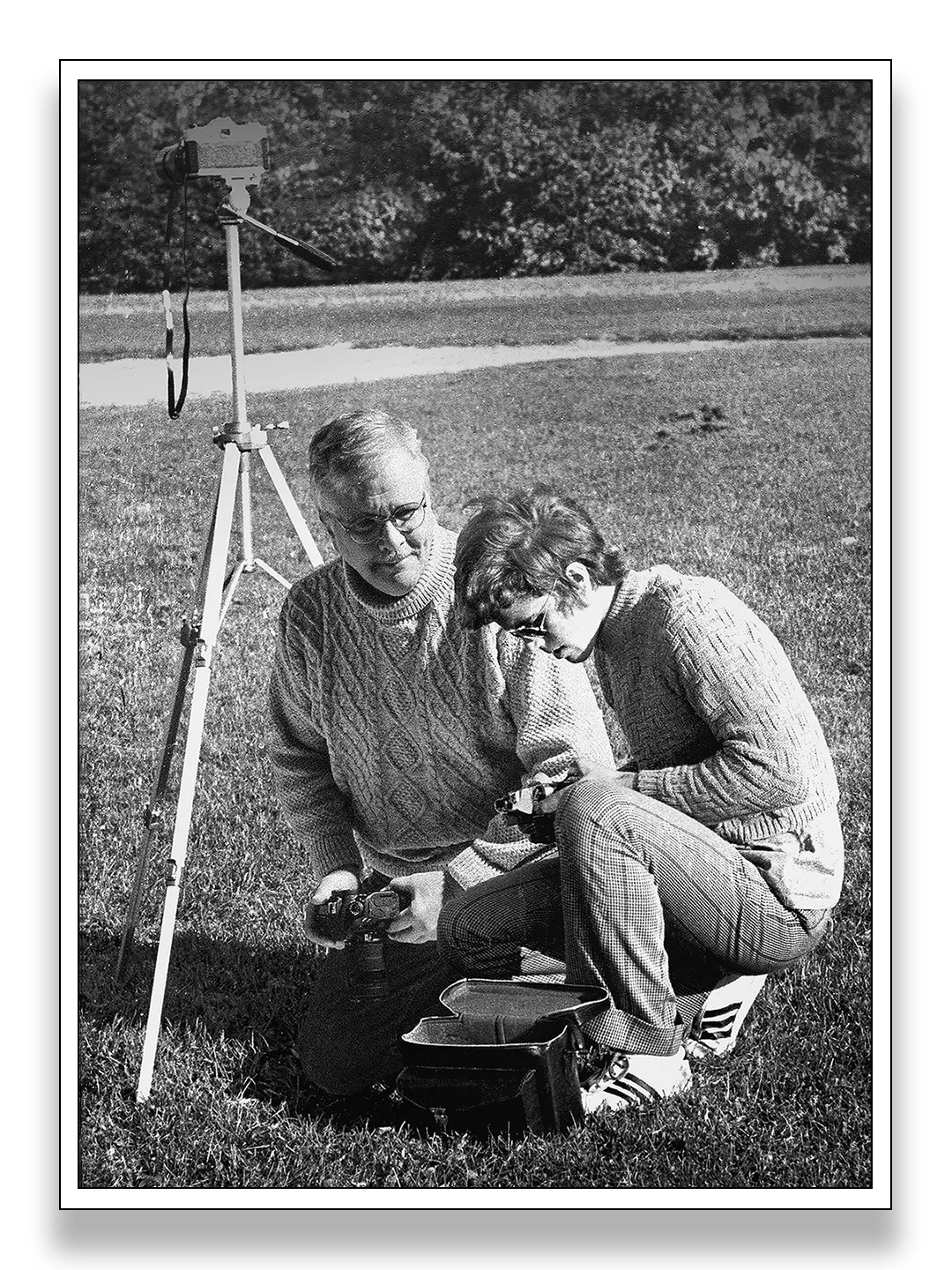
As a seasoned, professional, award-winning photographer, I started like many do, as my high school yearbook photographer. Since then I've worked as a freelancer, photojournalist, studio owner, and corporate photographer. I’ve developed proficiency in portraiture, photojournalism, and commercial photography with a reputation for working quickly to produce highly creative photography, something greatly appreciated by the many time conscious corporate officers, politicians, and attorneys I photographed during my tenure as Chief Photographer at the Boston Business Journal, as well as other clients. My work has appeared in The Professional Photographer, Studio Photography, Travel Holiday, Yankee Publishing, Business Digest, Time, Woman’s World, Macmillan Publishing, Reader’s Digest Books, Eastman Kodak, plus numerous trade publications as well as appearing on CBS, CNN, and PBS. I hold both the Photographic Craftsman Degree for service to the profession and the Master of Photography Degree for achievement in the profession as awarded by the Professional Photographers of America.  I appreciate your taking the time to visit my site.     
  • Having just celebrated fifty years as a photographer, I'm currently revisiting my image files, as well as deciding on what new directions to take photographically. Therefore, my website is now always a work in progress. I'll be adding galleries as I decide what to present, so check back occasionally...
Website and all images © W. Marc Bernsau 2025 All Rights Reserved

Well Known People...

I think the question I’m asked the most is, “Who’s the most famous person you’ve photographed?” That’s easily answered with the first famous person I ever photographed: Muhammad Ali! I’ve always been happy he was the first, because to me, he proved just being a celebrity doesn’t make you any different from anyone else, and if you think it does, you’re too full of yourself, and believe me, I’ve photographed them too!  On camera, Ali was just like you saw him, the boxing promoter, “Float like a butterfly. Sting like a bee. You can't hit what your eyes don't see." But off camera, he was quiet and reserved, just like he was once he retired from the ring. These images (and how can you post just one photo of Ali?!) were taken at Ali’s training camp in Deer Lake, Pennsylvania, about two weeks before they broke camp for the Frazier fight, "The Thrilla in Manila".  I took these photos when I was 19. In 2011, CNN asked if they could use the images and others, which included Nick Charles, their first sportscaster, in a tribute they were putting together to honor Charles before his death from metastatic bladder cancer. That those photos were good enough to be used at that level, so many years later, confirmed to me I made the right choice in becoming a photographer. Add to that, back then I had given Nick a set of prints of him with Ali. I ended up learning how much those photos meant to him all those years, as he and Ali became great friends. "Cue the violins..." It’s hard not to like Marty Walsh, a former mayor of Boston. When he first ran for the office of mayor, the publication I worked for interviewed both candidates, interviewing Walsh’s opponent first. The last question always was, Why should the voters vote for you? The opponent, whose name I don't even remember, answered the question by stating everything that was wrong with Walsh — basically trashing Walsh. Walsh, on the other hand, answered the question by stating all his experience and qualifications, not once mentioning his opponent, let alone any of his opponent's traits. To me, that spoke volumes. Anytime we happened to be at the same event, Walsh always gave me a nod and a smile or came over to say hello. Photographing Billy Graham was an interesting experience for me. While not by any means a follower of his, I grew up in a household where, anytime he was on television with one of his Crusades, it was watched. The neighbors would call each other to let each other know he was on! So, to get to photograph the Portland, Maine Crusade and see behind the scenes, as well as to meet and photograph Graham, was a unique opportunity. James Roosevelt III is the consummate politician, no surprise being a grandson of FDR. Born seven months after his grandfather's death, like his grandfather, he has a very personable and winning smile. Not so much in this portrait, but in some of the others, the family resemblance to his grandfather was quite striking! Speaking of personable, I spent the better part of an afternoon with Michael Dukakis, much of which, as a proponent for Amtrak, was spent riding Boston's T. He struck me as being very genuine, and one leaves time with him feeling you just made a brand new best friend! It's interesting to think how different the country might be had he won the presidential election. Keith Lockhart seemed to present two sides: the side to promote himself and the Boston Pops, the other, which came across as I’m only doing this because it’s part of the job. I chose this pose as I think it shows the second side, the side he perhaps doesn’t want to show. It just looks like he’s thinking, “Really, aren’t you done yet?” The portrait of Boston Mayor Menio was the last time I photographed him, which was just before he left office. I was given 15 minutes and went in knowing pretty much how I wanted to portray him. As he was an admirer of Truman, I wanted to include Truman's portrait in the background. I don't know what the problem was. Was my timing off? Was his mind on something else? I just didn't seem able to put him at ease, and just wasn't getting what I wanted. So, at the ten-minute mark, I decided to cut my losses and started packing up. As I did so, he relaxed and fell into the pose you see here. I literally yelled at him, "Stop, don't move!" I don't know who was more startled, me or him! I frantically set the camera back up, captured the moment, and was on my way. Time magazine ended up using the portrait for his obituary. Barney Frank could easily be typecast as the curmudgeonly New England politician! I photographed him at the end of his term, the day he was cleaning out his office. He seemed quite distracted, and I remember him asking for help with his tie. A bit ironic since it got cropped out! And while we're typecasting, we have conductor Benjamin Zander! With the crazy hair, wild conducting gesticulations, it’s almost as if he’s deliberately creating a caricature of a symphony conductor. He's not one to avoid the spotlight, camera, or interviews. Finally, we come to Bernie Sanders. I photographed him at a Labor Day parade in Milford, NH, where he walked the whole route, moving from one side of the street to the other, greeting the parade watchers, shaking their hands, and posing for selfies. I was so happy when I downloaded the images and saw I had captured him with an expression you rarely, if ever, see on his face. Now, if you’ll excuse me, “I’ll have the SOUP!”  There were some I would have liked to have included here, but I no longer have access to the images, including one who is constantly in the news. But then really, haven’t we seen enough of him?

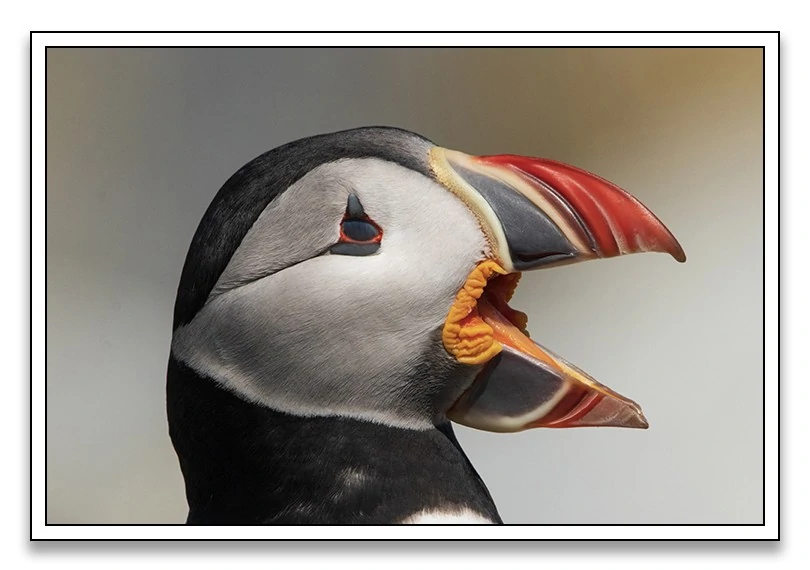
Puffins!

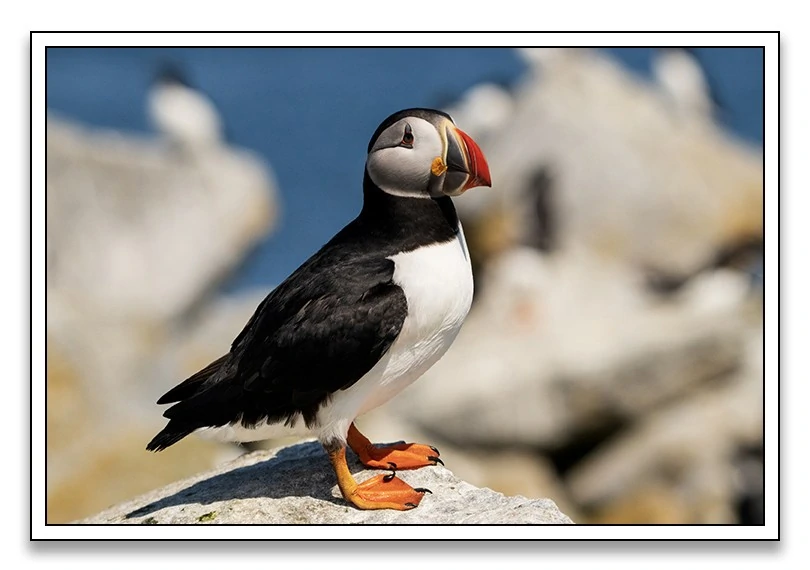
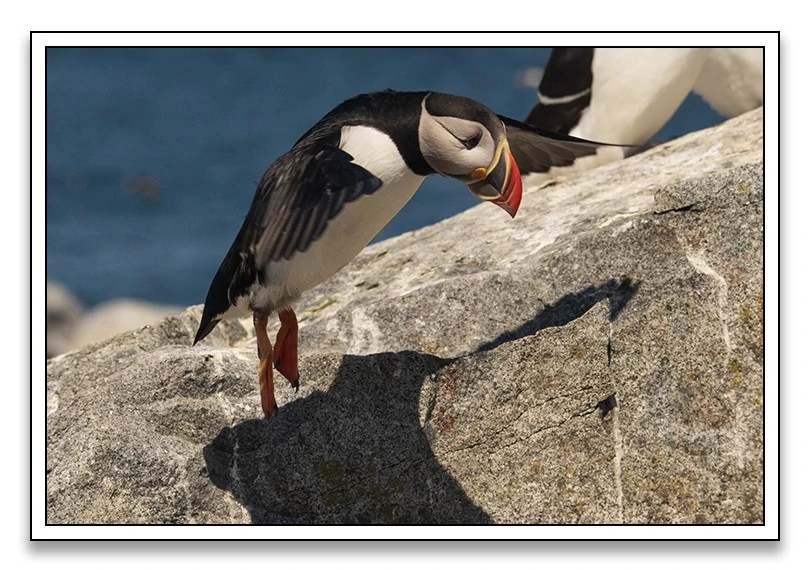
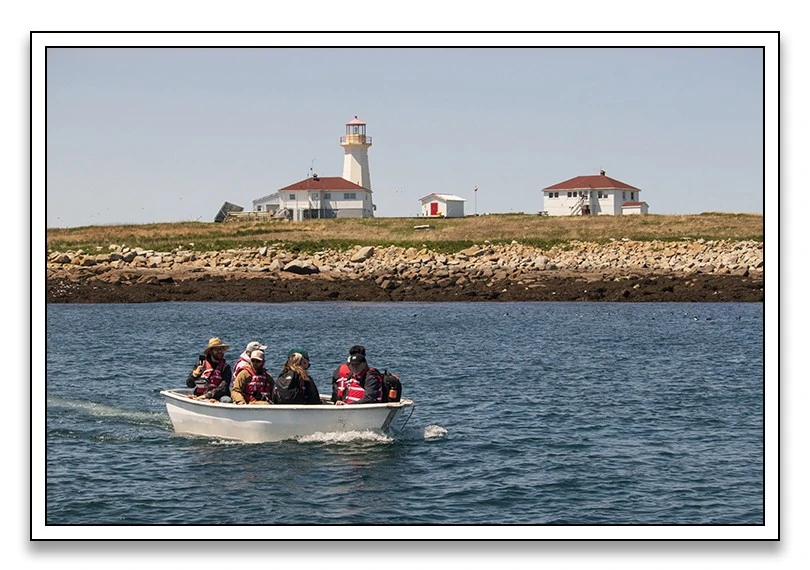
Photographing puffins was always a bucket list item! The day started at 4 a.m. to photograph West Quoddy Head at sunrise. Located in Lubec, Maine, it is the easternmost point of the contiguous United States; so close to the Canadian border our phones showed the Maritime Time Zone! When I arrived, I walked around to the ocean side of a side building and found five people standing there, all with their iPhones pointed at the sunrise! Once the boat which takes you the ten miles out to the island, they take you to shore and back with a skiff. Canada claims ownership of the island, but so does the United States. It's pretty much a case of agreeing to disagree. Once on the island, you’re taken to one of about a dozen wooden blinds roughly the size of a three-holer outhouse with one foot square windows to photograph out of. As you walk to the blinds, the birds fly away, but almost immediately return, including landing on top of the blinds, so you literally hear the pitter-patter of little feet!

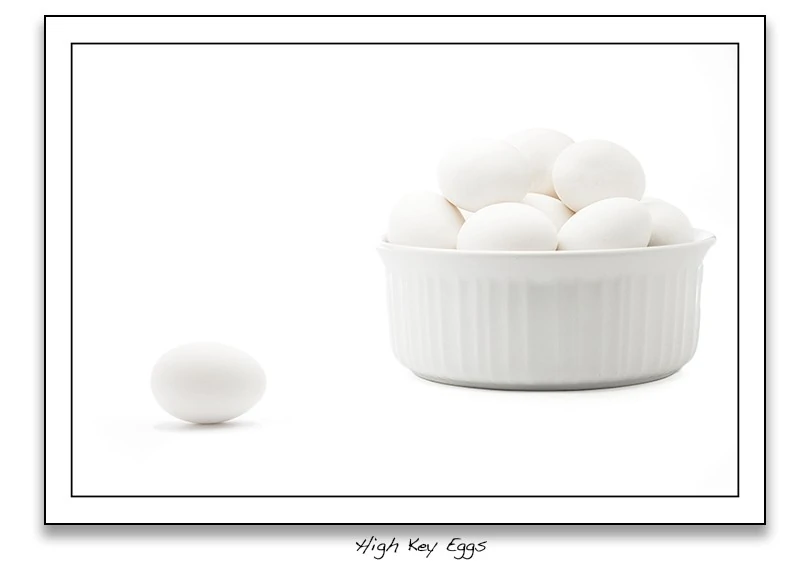
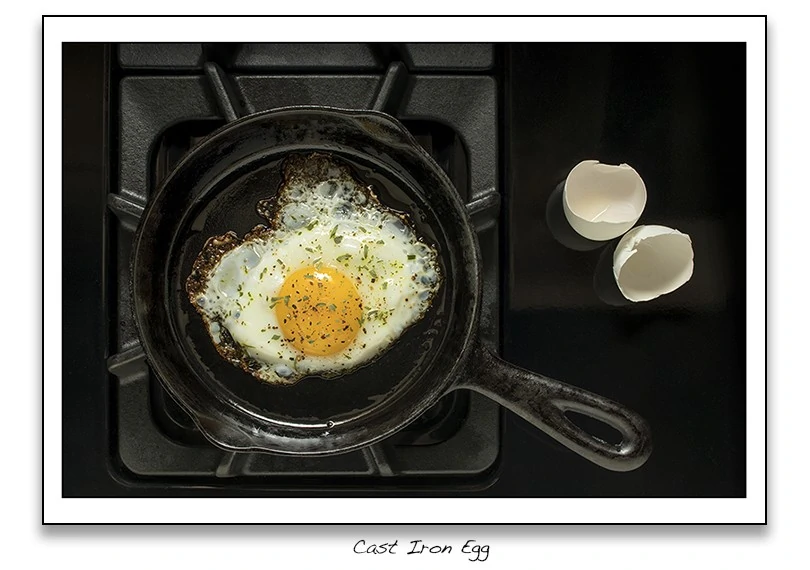
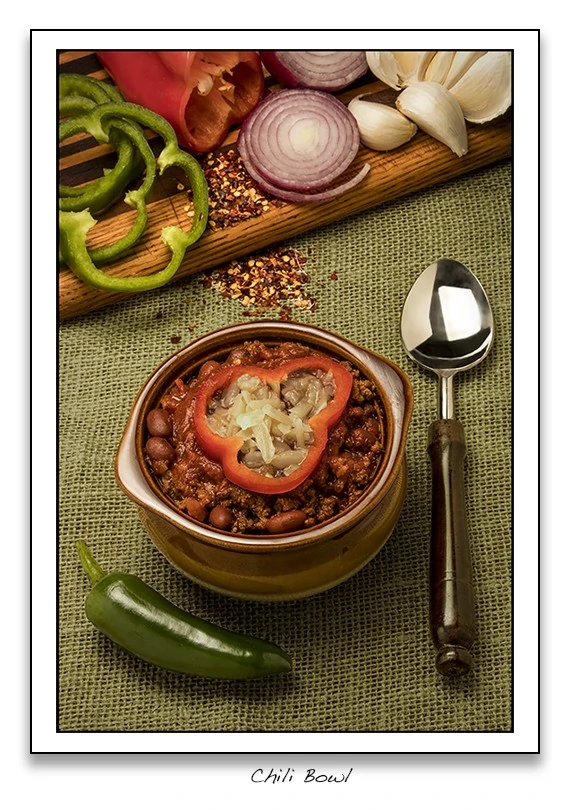
Food Photography

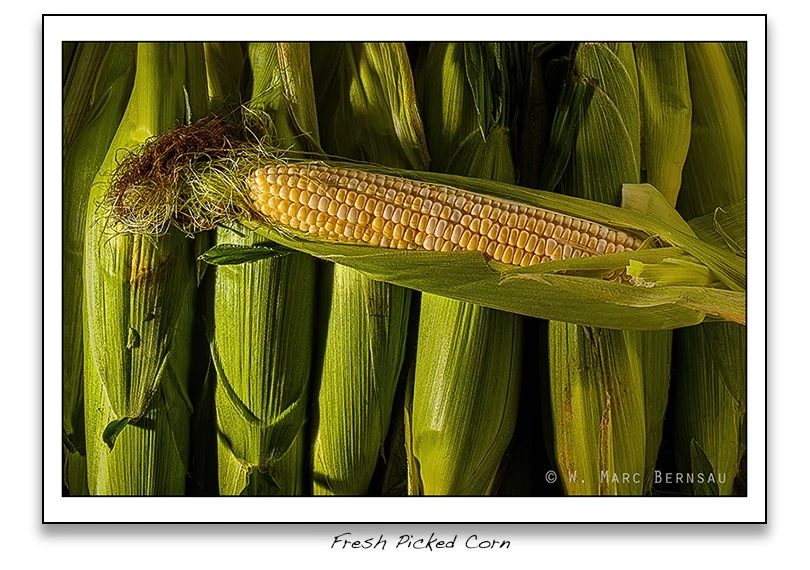
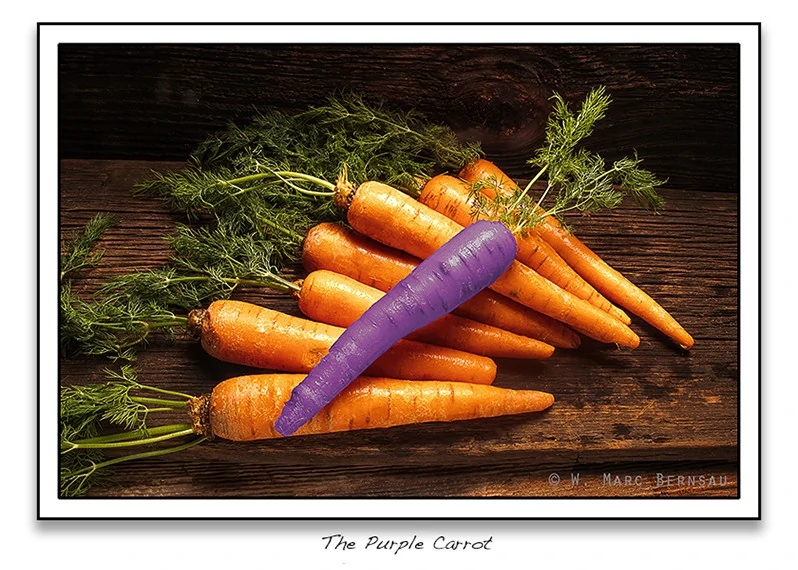
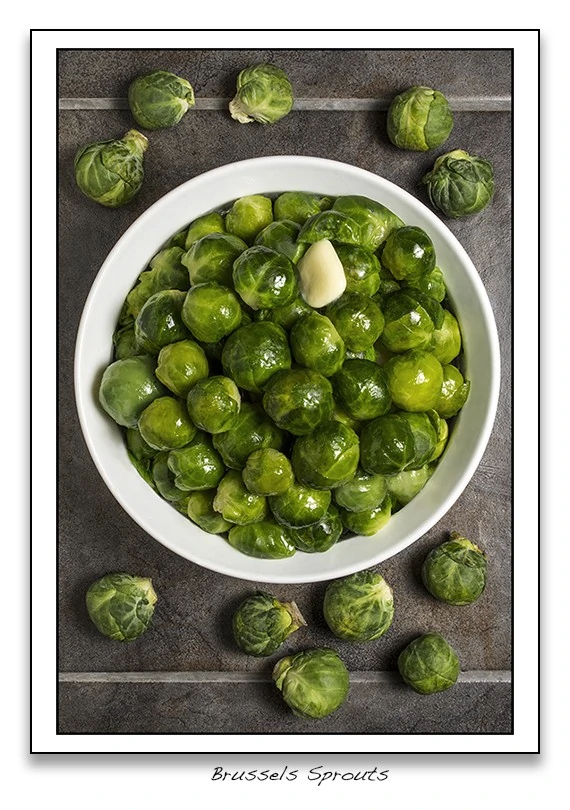
Prior to becoming a photographer, I was always looking for a creative outlet. I thought perhaps cooking might be a way to satisfy that urge. So, my last three years of high school I attended the morning food preparation and service class at the local vo-tech, where we ran a restaurant. In the afternoon I attended my high school for the other subjects. Then, after school, I worked at a local country club until 9:30-10p.m. Apparently, this showed initiative, and during my junior year, I was accepted to the Culinary Institute of America. However, during my junior year, I bought my first 135mm camera to take photos during a ten-day school trip to Germany, Austria, and Switzerland. When we returned, the yearbook for the year had come out and there was a lot of complaining about how bad the photography was. My photographic interest piqued, I thought I couldn’t do any worse, so I applied to be the yearbook photographer for my senior year. My class being an apathetic bunch, no one else was interested –  I got the job by default, rather than ability! During that senior year, I became increasingly more interested in photography, started going into the studio which had the yearbook contract to learn how to develop film and print the photos, and was encouraged by the studio owner, as well as his local newspaper photojournalist friends, all who said it looked like I had a “good eye”. Perhaps more importantly, I felt like taking photos was the creative outlet I’d been looking for, besides, you can be only so creative making 400 creme de mint parfaits for a banquet! But what to do about going to Culinary? You don’t turn down going there lightly. So I agonized over what to do. Obviously, photography won out and I started working for the studio full-time the day after graduation. The plan was I’d do commercial food photography. But other than working on occasional dining guides, and assignments for Yankee magazine, that didn’t really pan out. Then Covid hit and I decided during the lockdown to finally create a food portfolio which produced most of the images you see here.

Fine Art

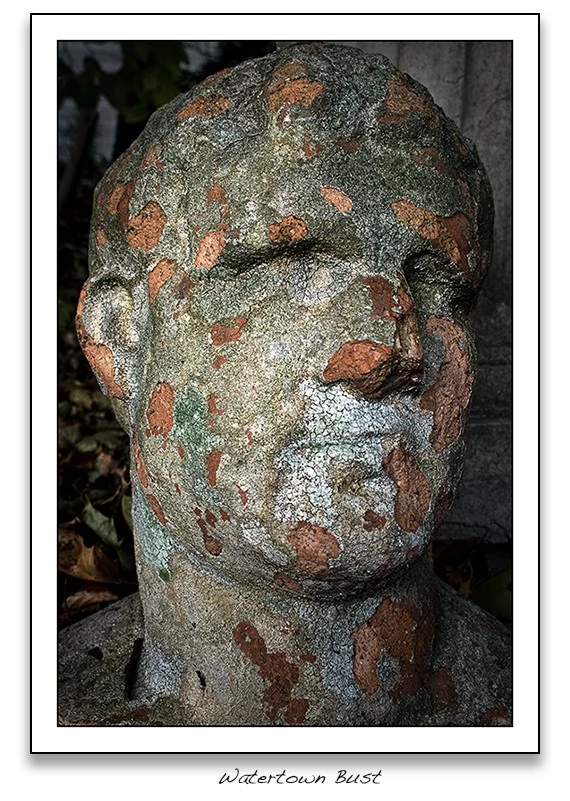
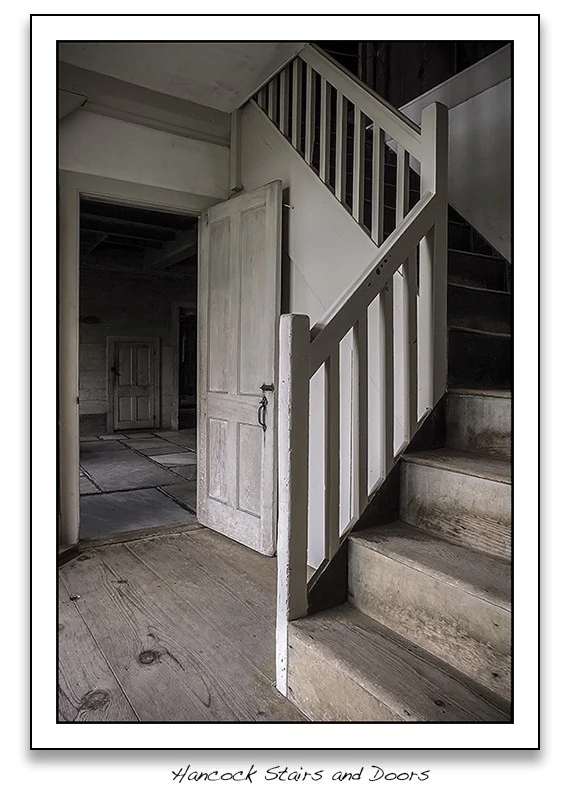
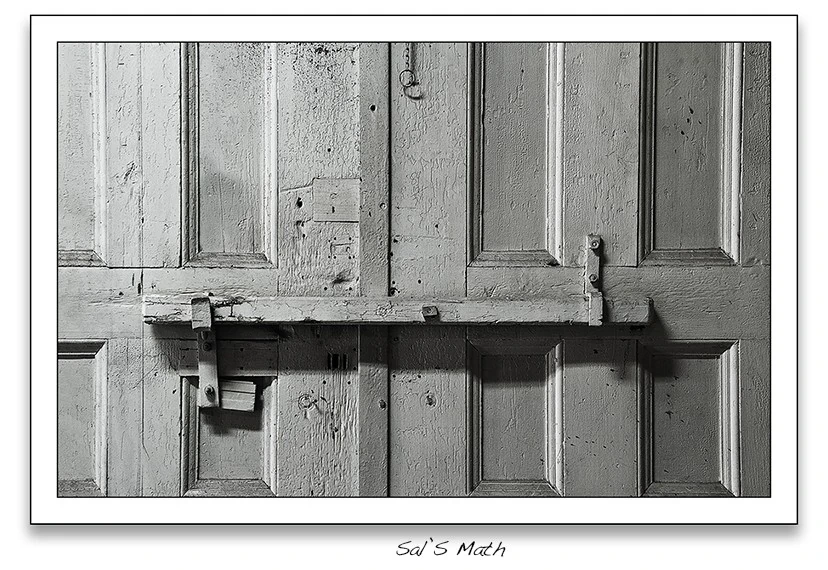
More than 50 years ago I picked up a camera for the first time and knew very shortly thereafter being a photographer would be my life's work. For this I am profoundly grateful as I realize not everyone gets to spend their life doing what they love.In order to earn my livelihood, my work has consisted, at various times, of photographing weddings, commercial work, photojournalism, and primarily portrait work. Beyond this, I've always looked for and taken images, if for no other reason than I found the subject interesting– yielding what perhaps could be called "fine art photography." According to the web site www.visual-arts-cork.com, "the term 'fine art photography' has no universally agreed upon meaning or definition: rather, it refers to an imprecise category of photographs, created in accordance with the creative vision of the cameraman."This description of fine art photography as "an imprecise category of photographs" resonates with me, as I've never wanted to be pigeonholed into any one type of subject or method of photography. This has resulted in the wide range of subjects my photography presents, as well as how my images are both created and presented via "the creative vision of the cameraman."As I turn my attention to fine art images, I've come to see my best work is done when I am somehow able to get out of my own way and just let the process happen– from the creation of the image to the printing of it. At the risk of sounding too "new agey," I liken this to a feeling after it's all said and done of having been somehow guided or helped.
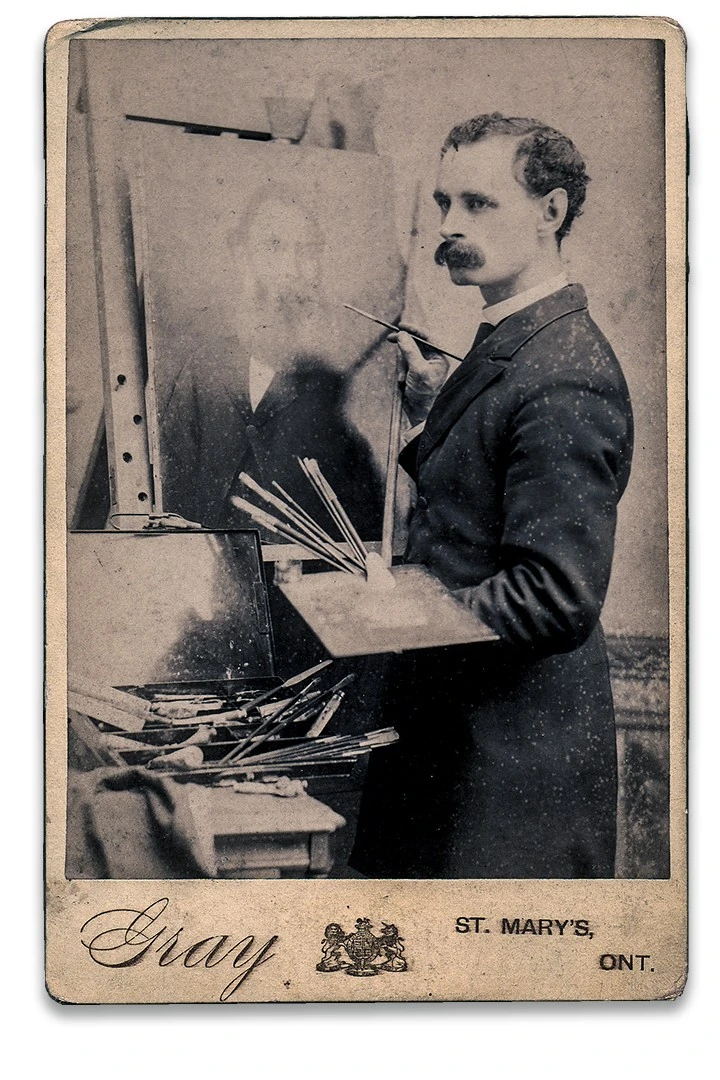
My great grandfather John N. Gray was a photographer who was taught by his father-in-law, my great-great grandfather George F. Maitland. This takes you back to the origins of photography. He gradually became paralyzed, resulting in my great grandmother Minnie taking over his studio– which she ran for more than 40 years in addition to taking care of him and raising four children. In my late teens I had a psychic tell me there was someone who wanted to finish his work through me. I've always felt it was this great grandfather she was referring to, and perhaps is the guidance I feel. If so, I hope he's been pleased with what I've done!
Panama!

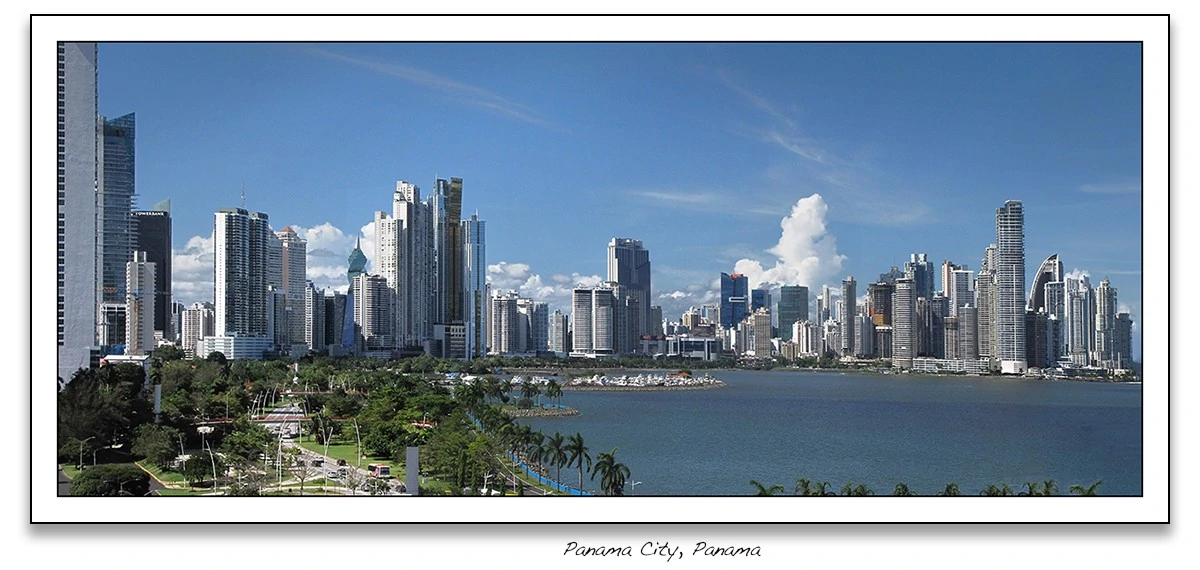
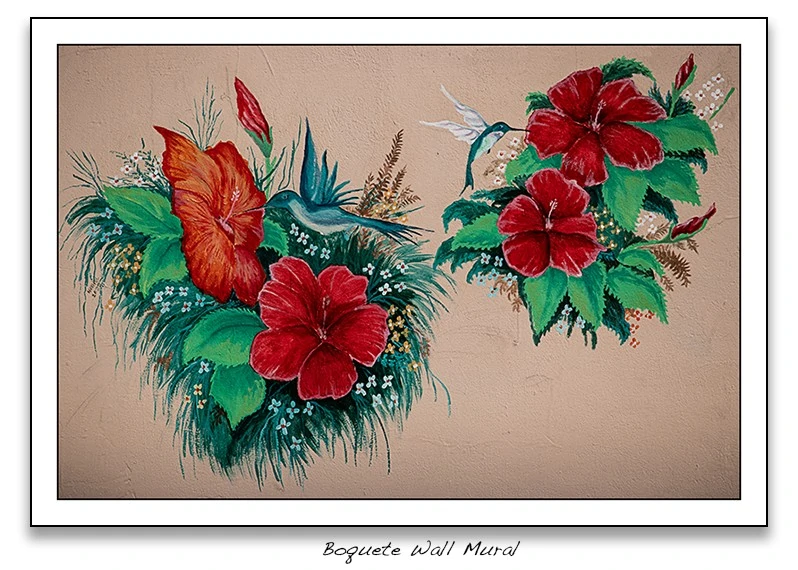
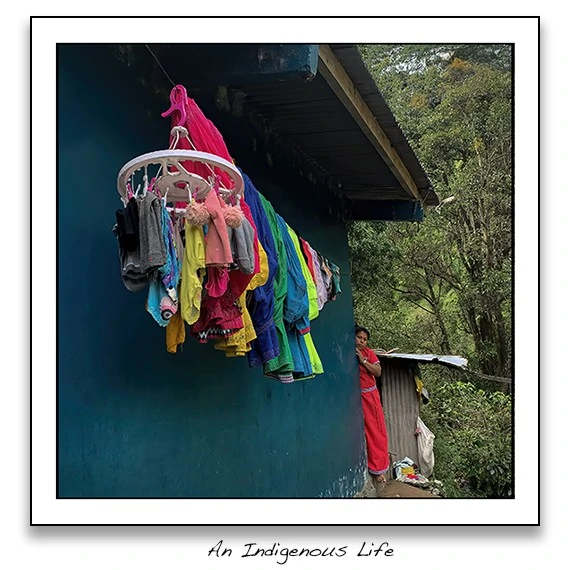
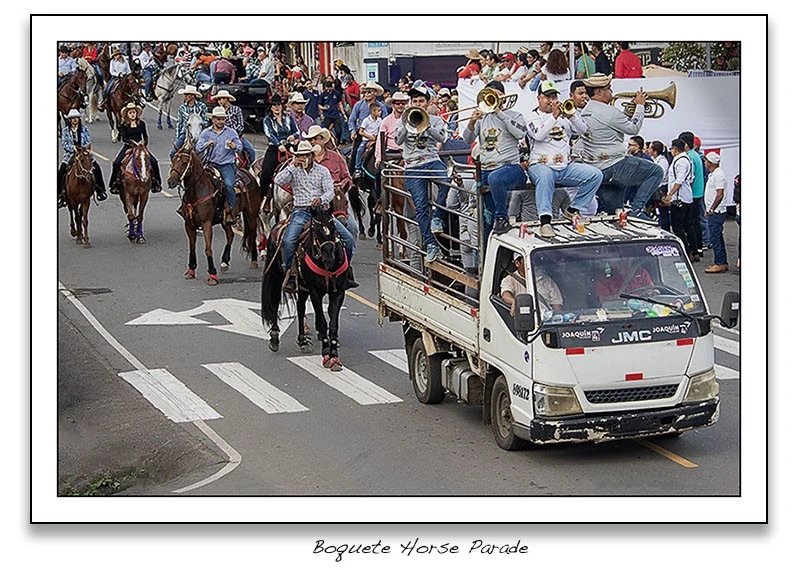
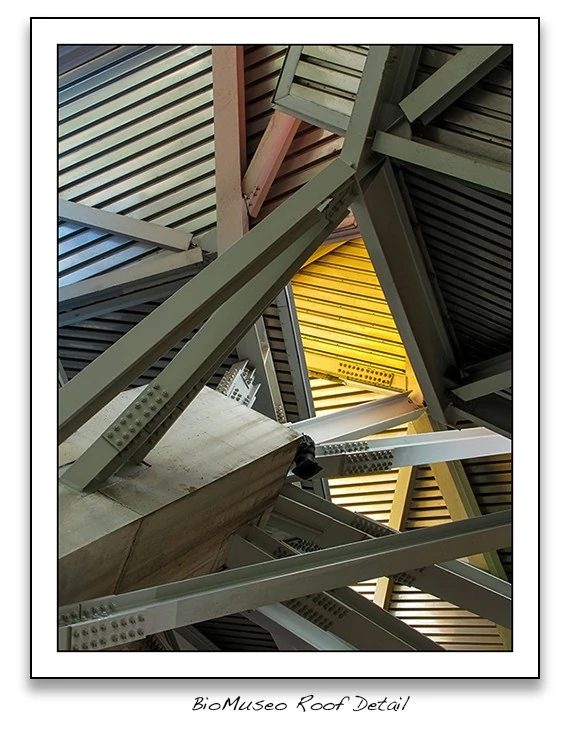
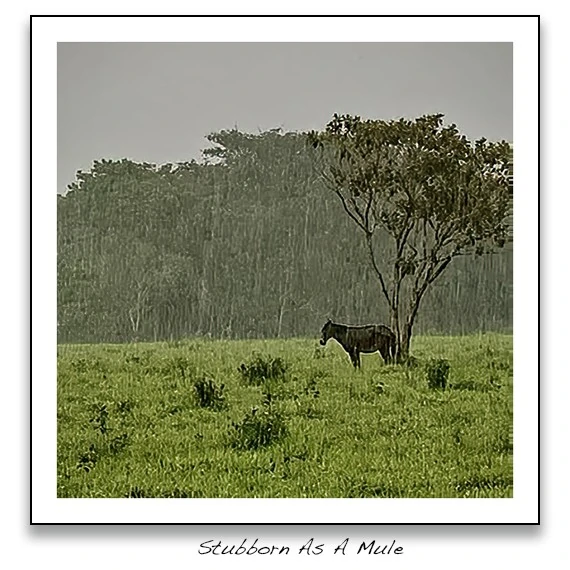
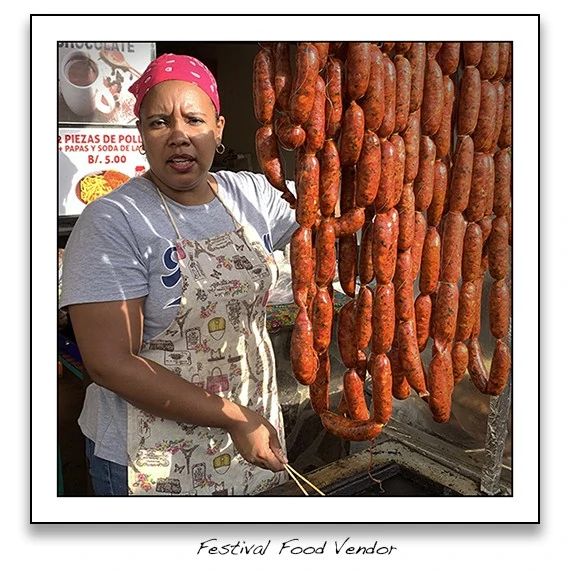
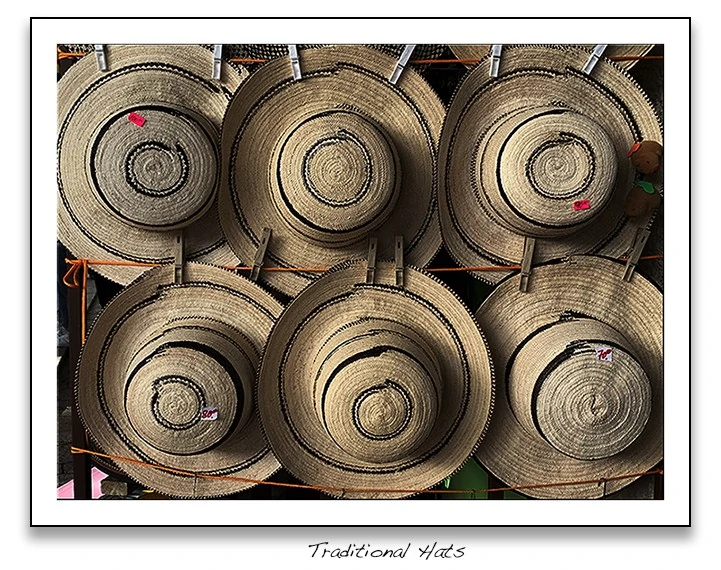
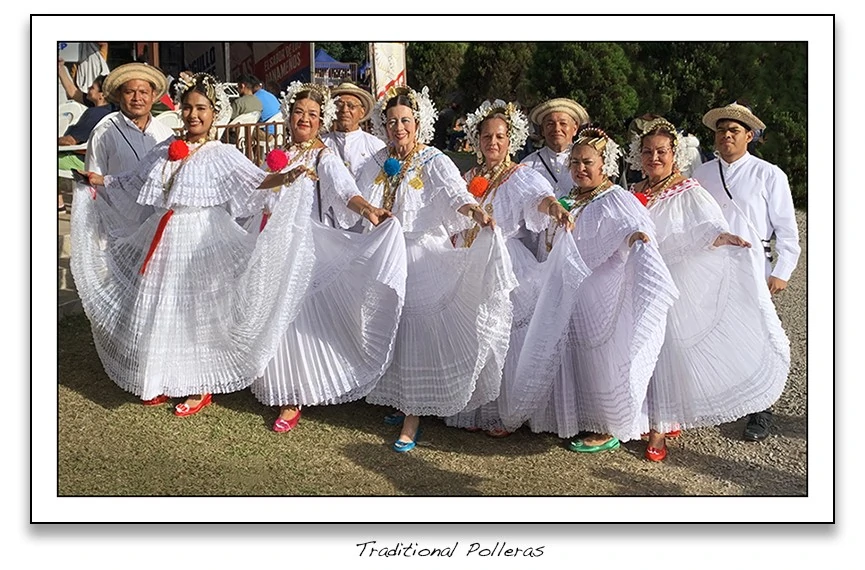
There is so much to say about Panama, I'm actually at a loss of words! I've only barely begun to scratch the surface of exploring and learning about this stunningly, drop dead, gorgeous country. I can’t wait to further continue to experience its vast geological, biological and cultural diversities.

Pho•to•xy•log•ra•phy

One of my photographic mentors used to delight in creating images with disposable cardboard cameras—some of which won awards! This made the point that knowing the limits and capabilities of the tool used and working within those parameters is no reason why artistic images can’t be created. 
I know some professional photographers feel threatened by the increased and continued improvement, capabilities, and availability of digital photography, such as with the iPhone, feeling it is just that much more competition. My thinking is that just because a tool and technology is readily available doesn't mean it will be used correctly. Give everyone a box of crayons, and only a few will be able to produce something worth framing.
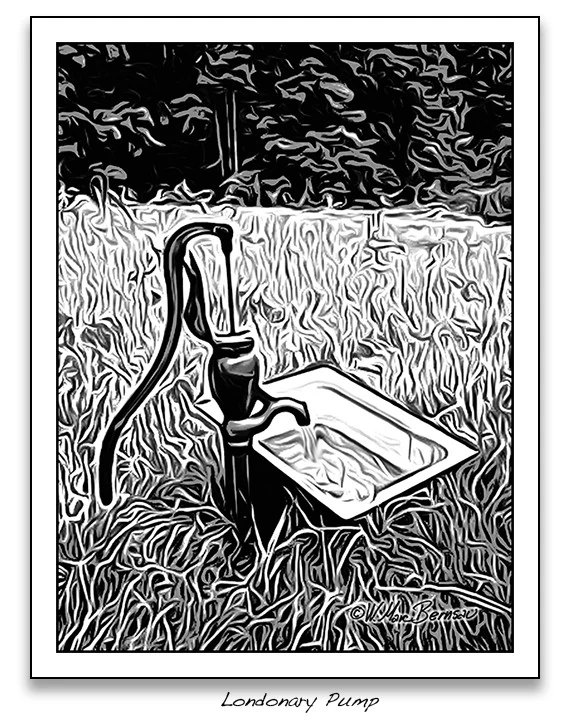
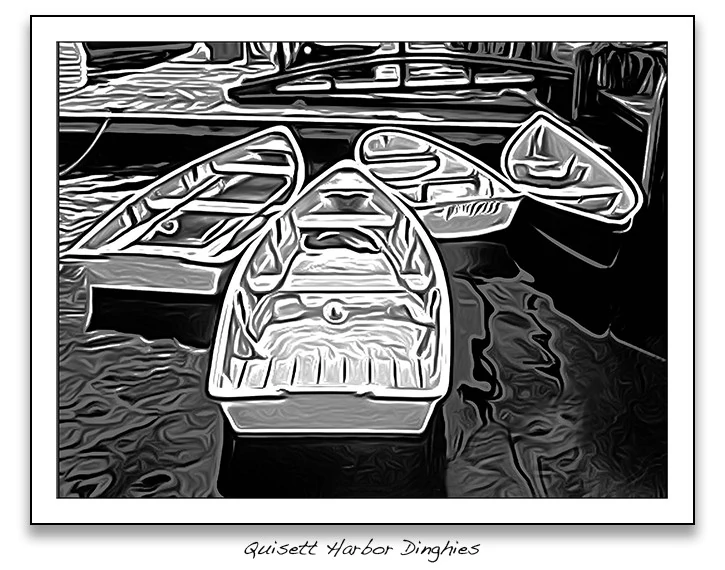
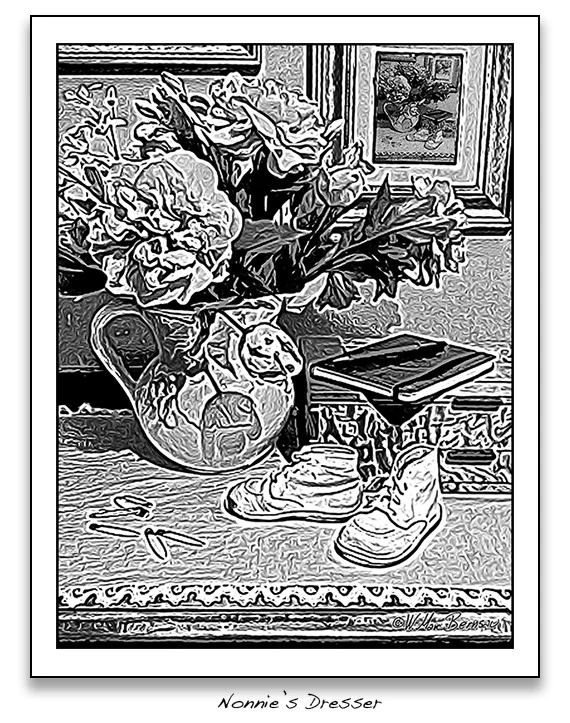
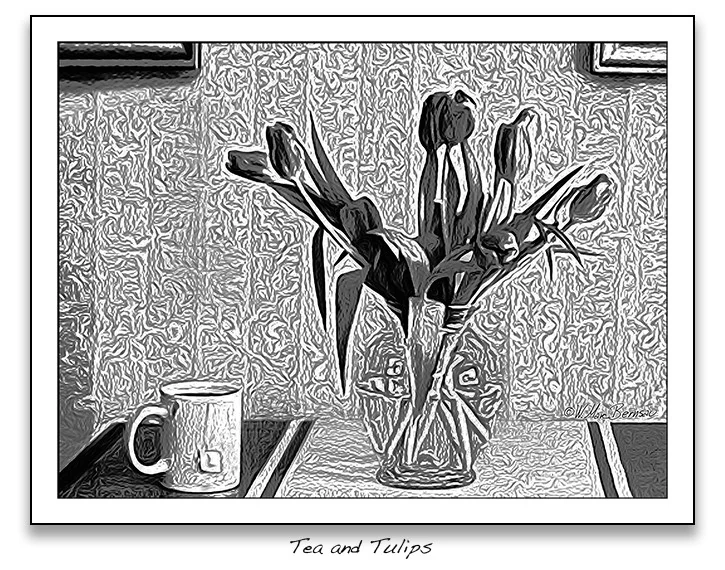
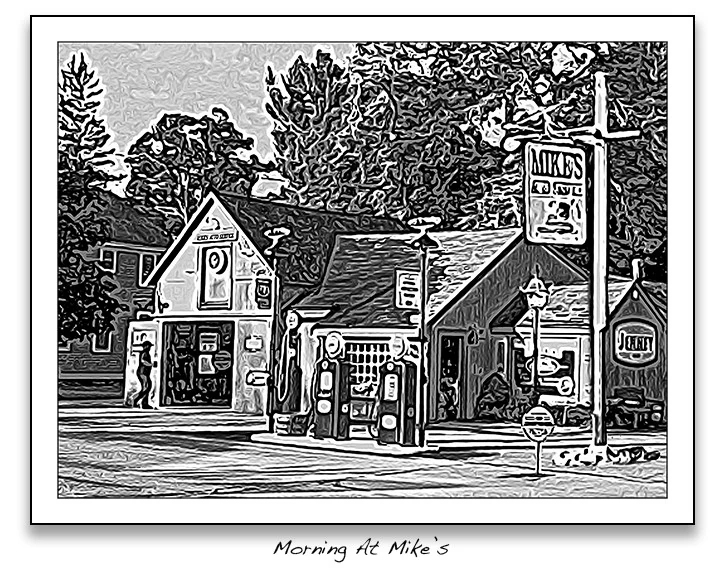
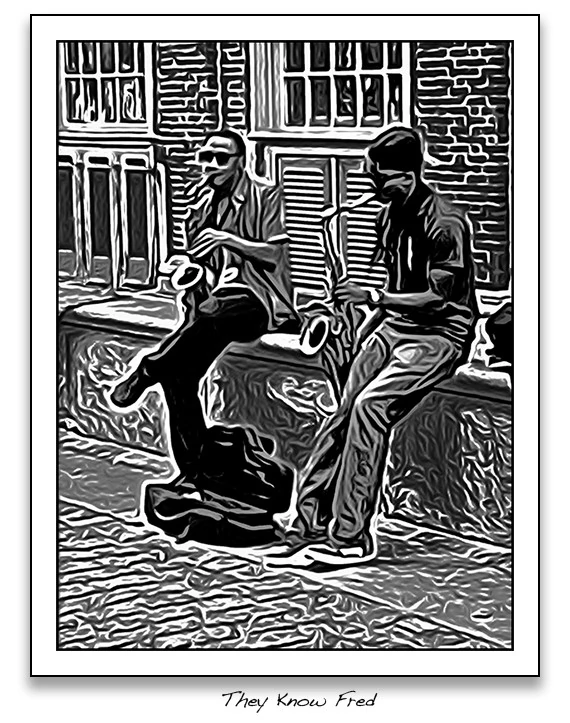
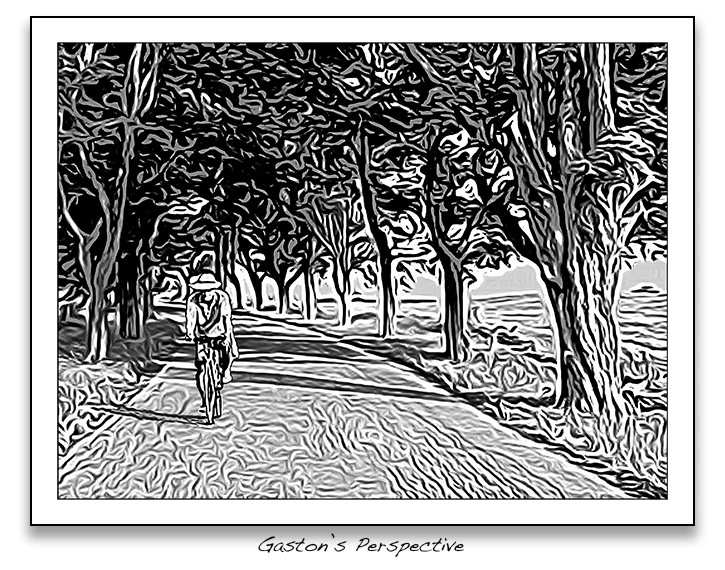
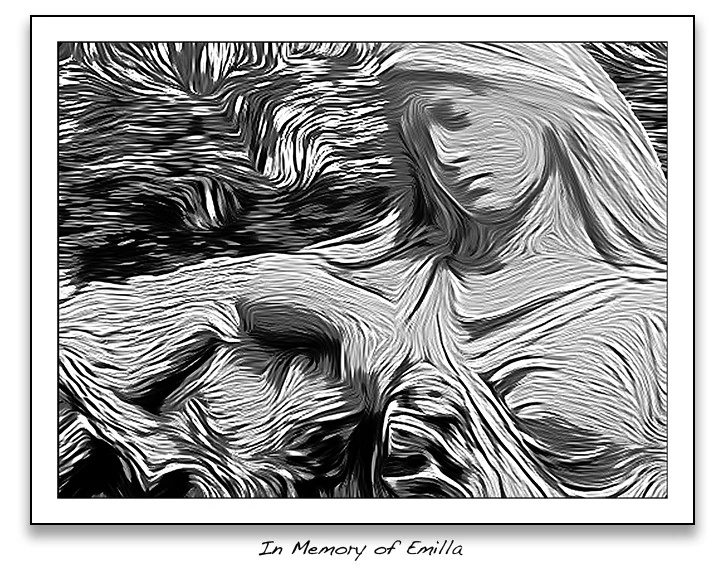
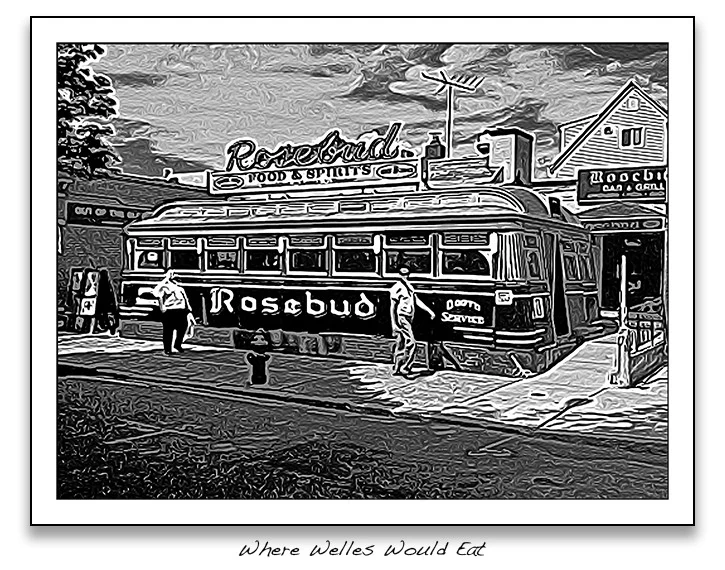
The following images were created using an iPhone, the app ToonPAINT, and editing with Photoshop. The application ToonPAINT takes an image either created with, or imported to the iPhone (I choose to use only the iPhone) and initially converts it to an image made up of black, white, and a limited range of gray tonalities. It allows you to adjust that scale of tonality as well as such things as line length and width. You can then opt to add color, thus creating something resembling a comic or cartoon. Rarely have I added color to these images.
A favorite instructor of mine used to say, "Nothing is original anymore, it's all now variation of a theme." To me, these images appear to be digital woodcuts. Similar images could at one time be made using Kodak's discontinued Kodalith, an extremely high-contrast graphic arts film designed primarily for making line and halftone negatives for photomechanical reproduction. Those images can be compared to scherenschnitte– German scissor art. And so on and so on…
Which brings me to my creating the word photoxylography. Photo goes back to the Greek phos for light, xylo indicates wood and graph means drawing. Xylography by itself is the process of printing either text or illustrations with woodblocks, separate from typography.
Creating images this way can be challenging; learning to see things in a different manner, but I’ve found it just one more way of having fun being a photographer!

Birds of New England

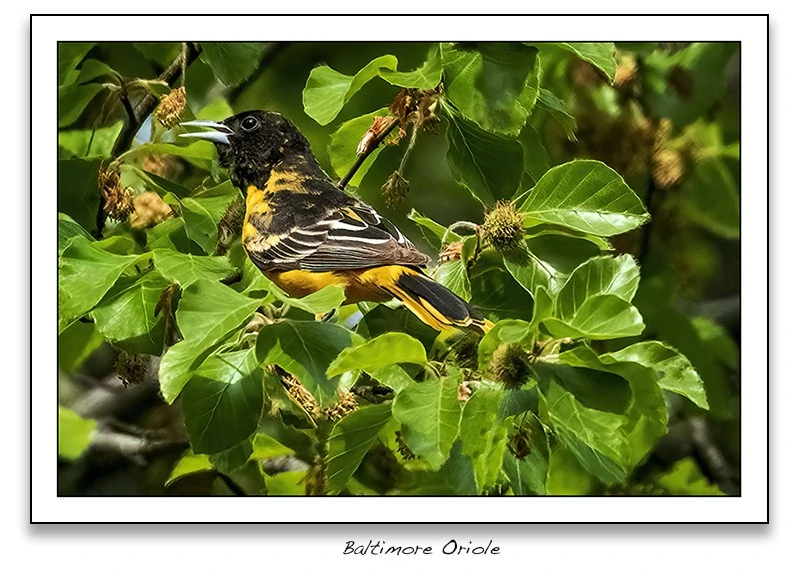
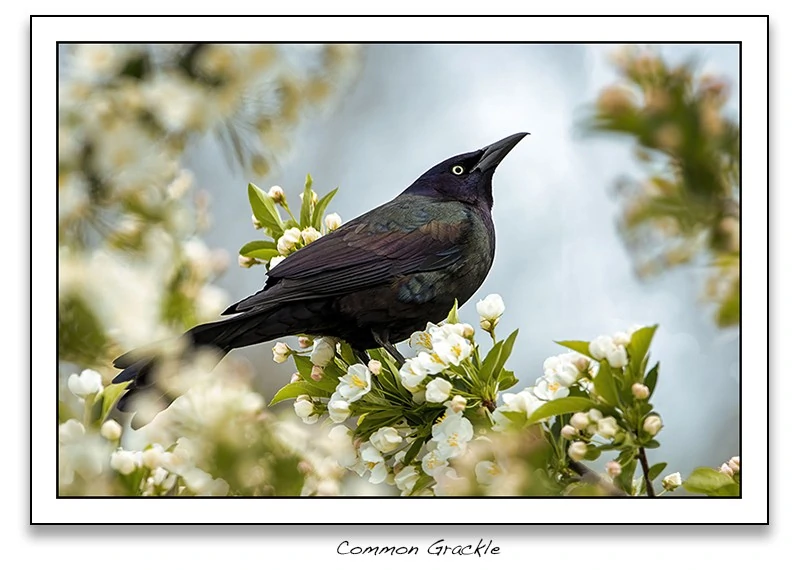
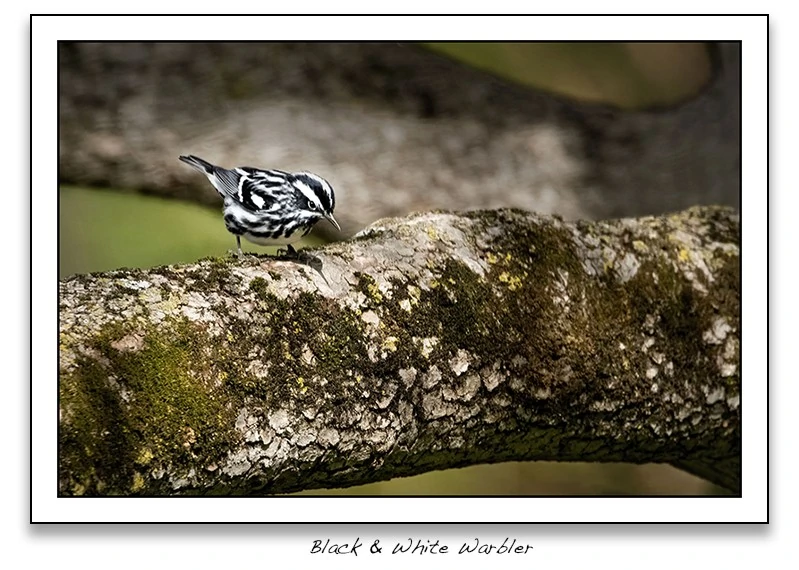
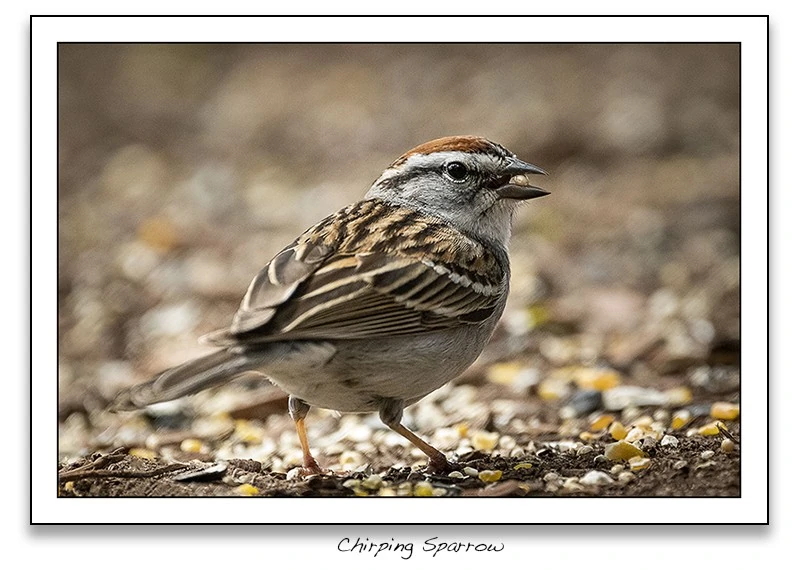
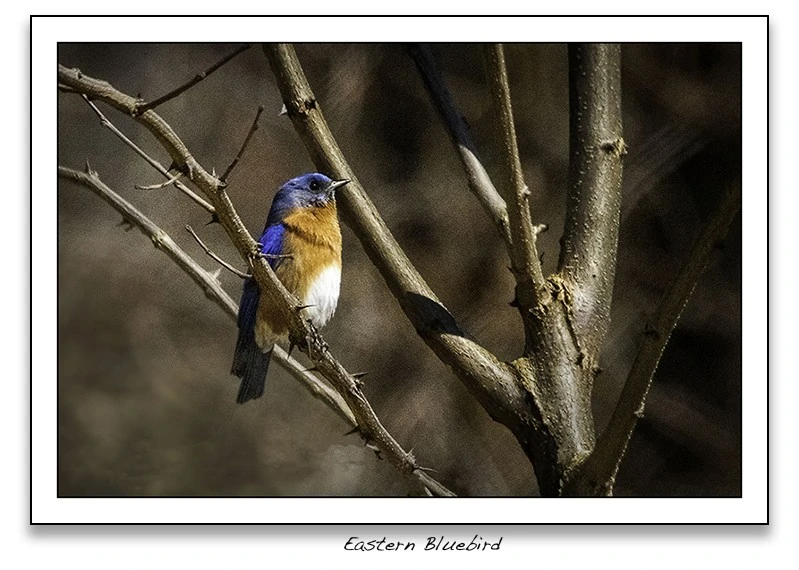
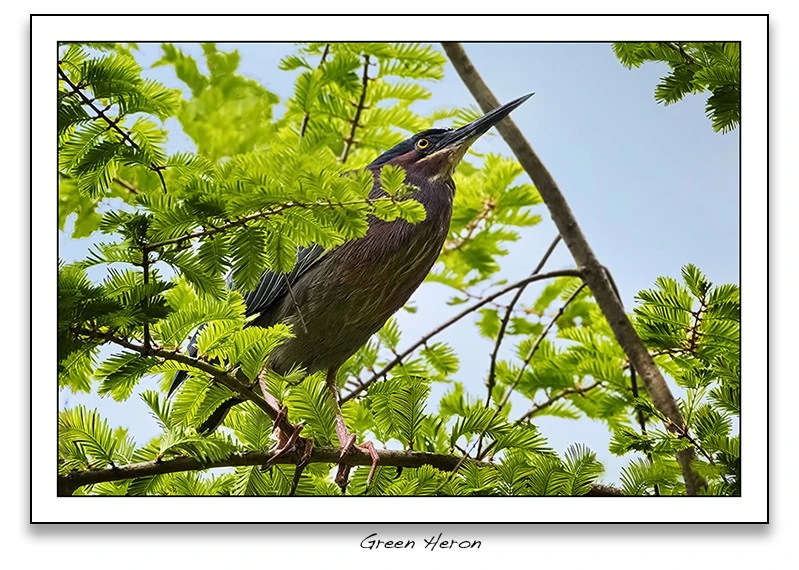
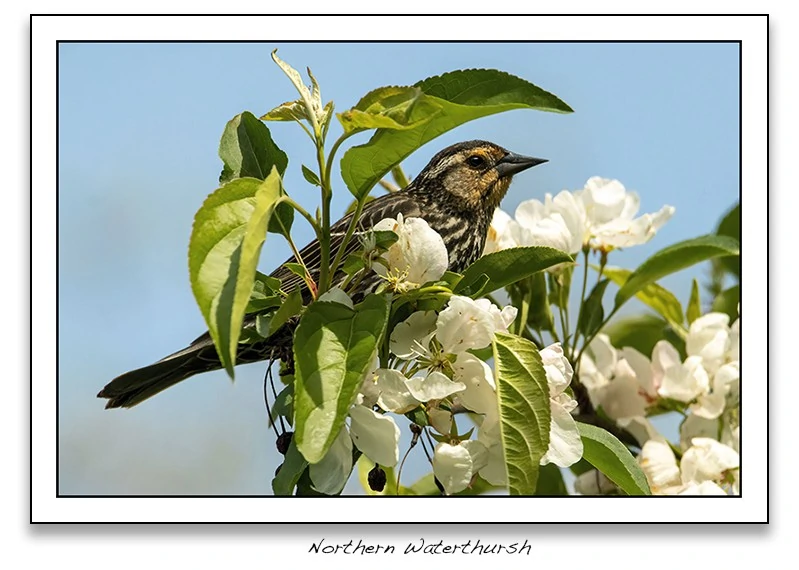
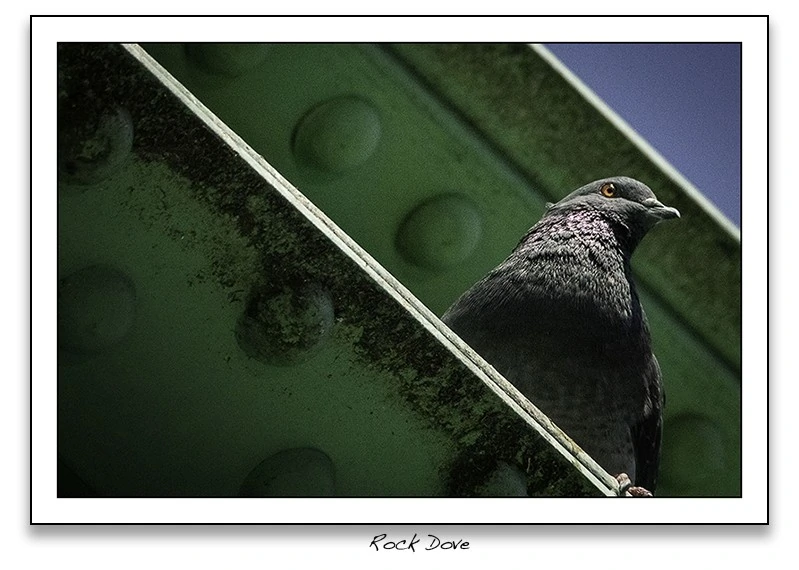
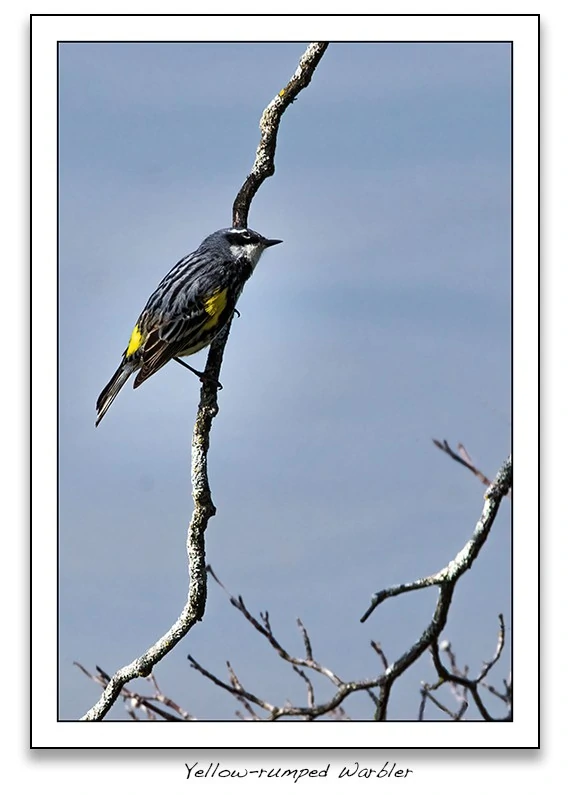
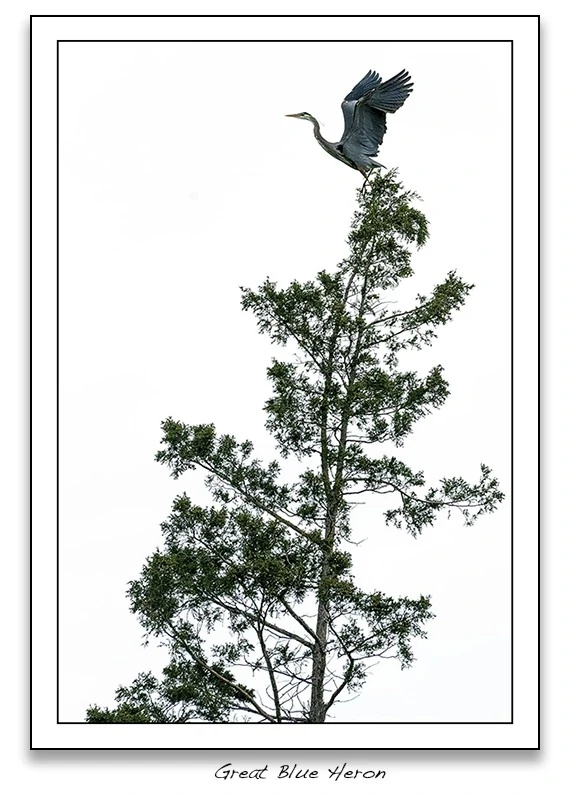
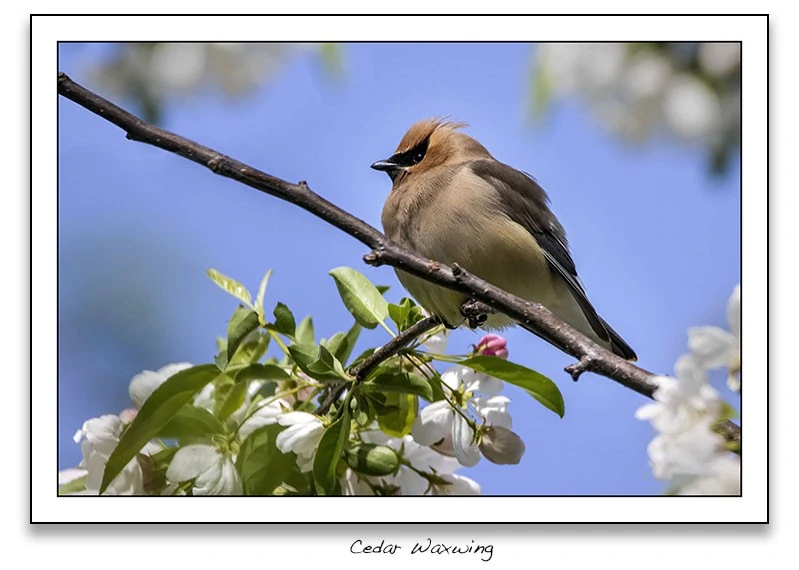
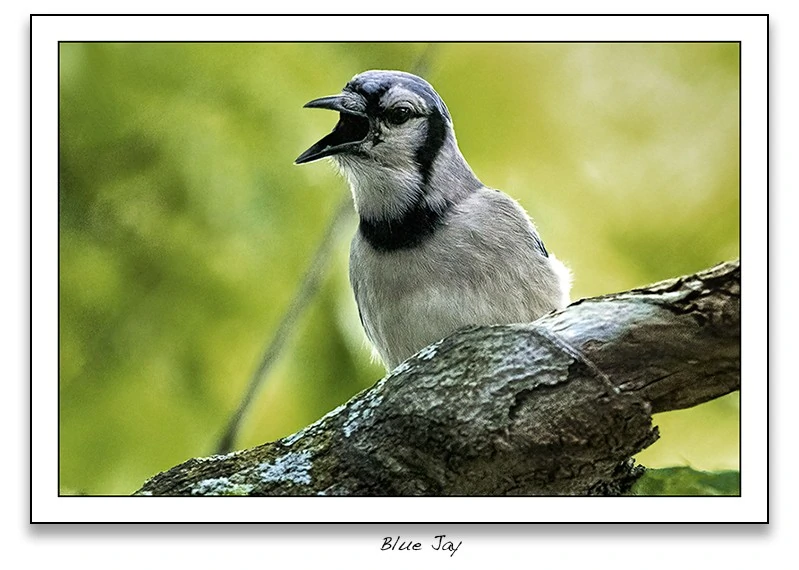
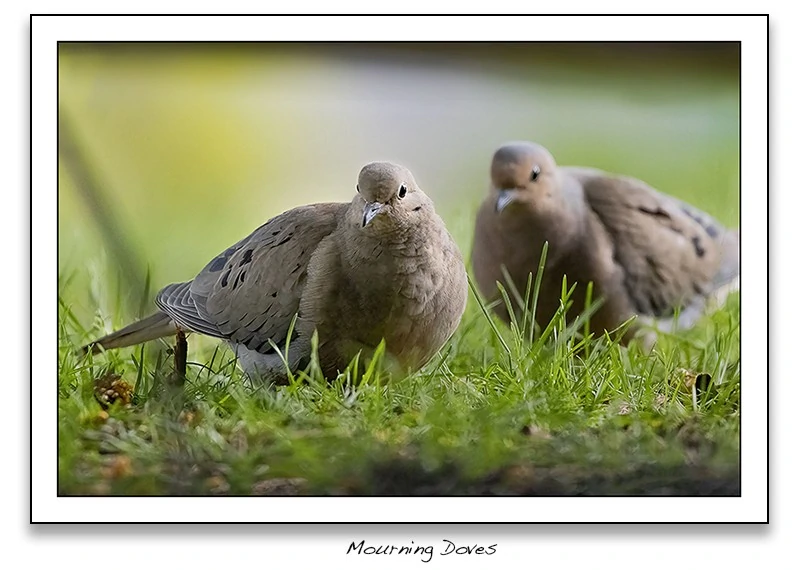
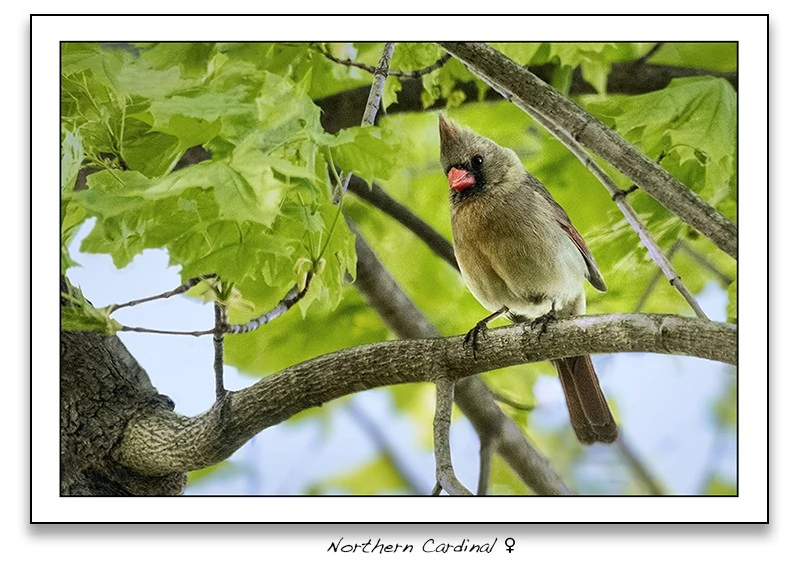
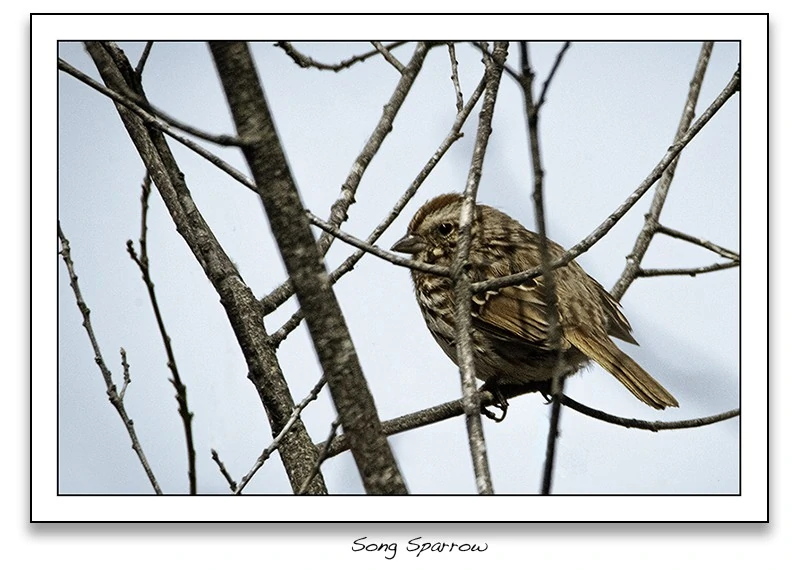
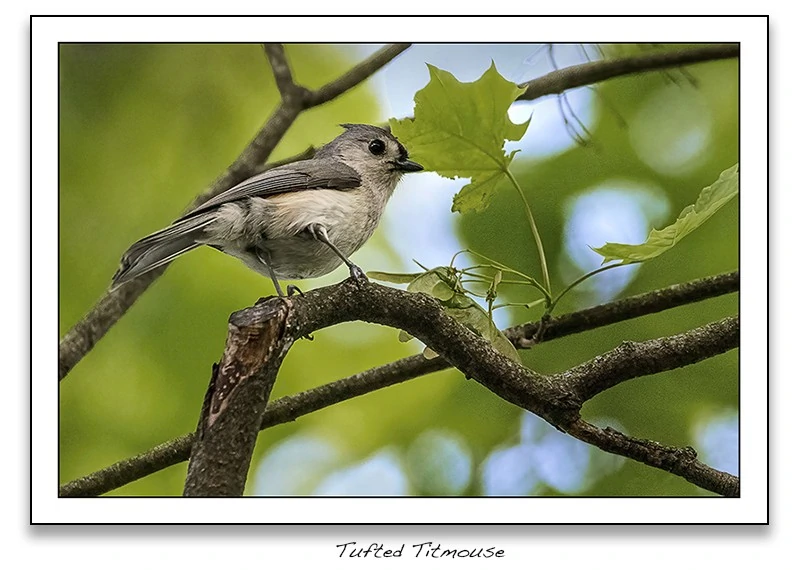
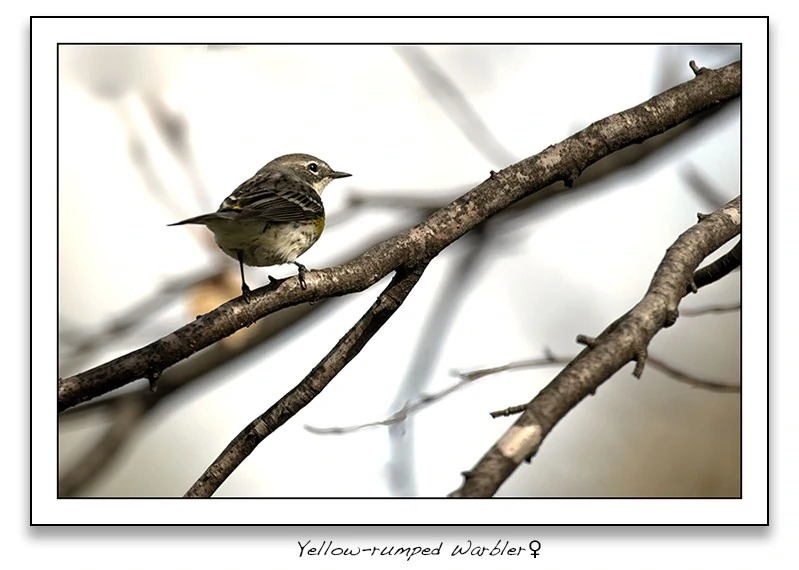
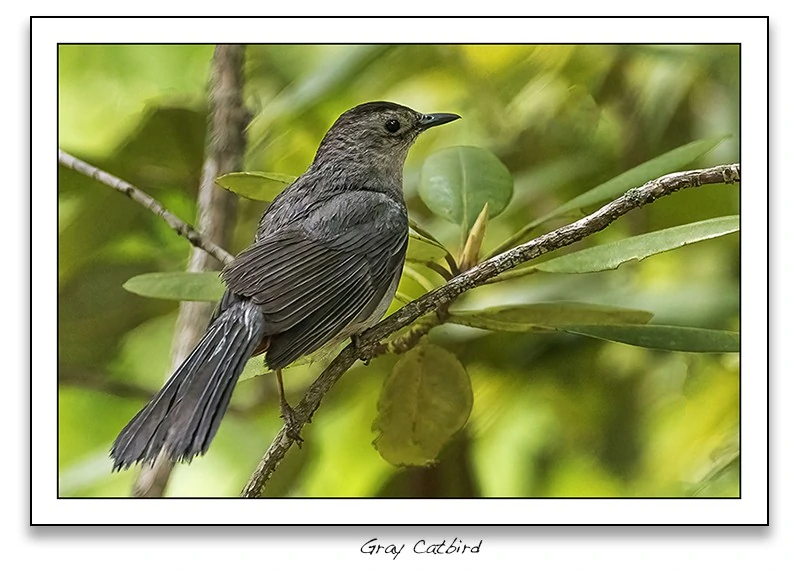
My interest in birds may have started with Chirpy, my childhood parakeet! Purchasing a 150–600mm lens along with a 2X converter a few years ago, finally allowed me to photograph birds, not just watch them. It’s an interesting, and at times, exasperating challenge, first spotting them, then zooming in on them, hoping the light is right, and waiting for the right moment before they fly off. Some of the images you see here were actually taken through the window of my condo's bedroom, which acted as a bird blind thanks to the state forest out back. Other photos were taken at Mount Auburn Cemetery in Cambridge, Massachusetts, a noted and popular spot for birders. You'll notice a photo of a female Northern Cardinal, but not one of her mate. Despite repeated efforts, he simply wanted nothing to do with being photographed, taunting me, and luring me outside with his song, only to fly away. Oh well, bye bye birdie, goodbye...

We use cookies to enable essential functionality on our website, and analyze website traffic. By clicking Accept you consent to our use of cookies. Read about how we use cookies.

Your Cookie Settings

We use cookies to enable essential functionality on our website, and analyze website traffic. Read about how we use cookies.

Cookie Categories
Essential

These cookies are strictly necessary to provide you with services available through our websites. You cannot refuse these cookies without impacting how our websites function. You can block or delete them by changing your browser settings, as described under the heading "Managing cookies" in the Privacy and Cookies Policy.

Analytics

These cookies collect information that is used in aggregate form to help us understand how our websites are being used or how effective our marketing campaigns are.